
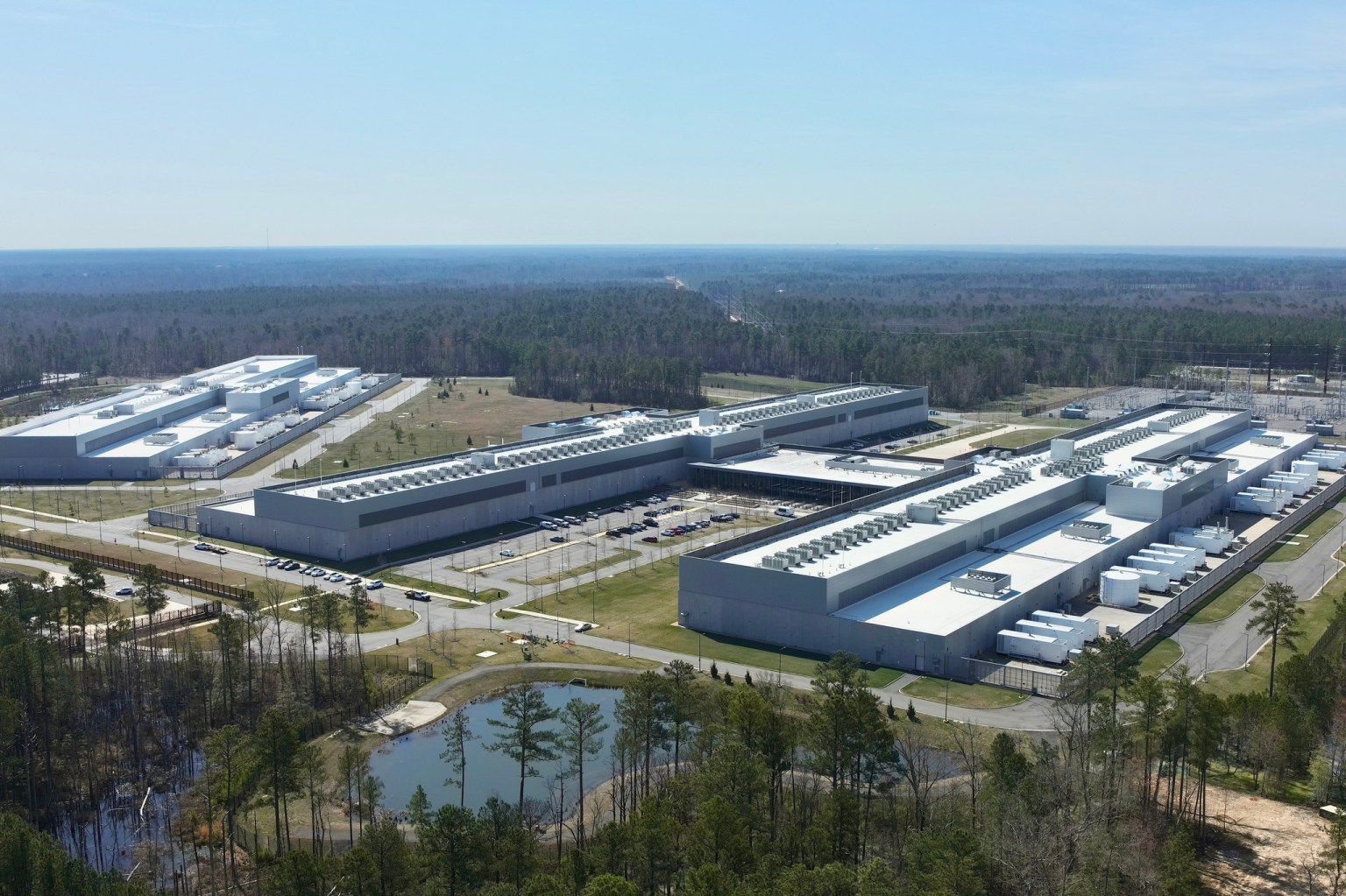
I’ve been asked a lot about my thoughts on the surge in data center projects and the larger mixed-housing developments across the county. These types of things aren’t new, but the pace and frequency of proposals (especially the data center proposals across townships) has pushed this conversation into new territory. As residents, we all want thoughtful growth, more economic opportunities, thriving local businesses, strong schools, and infrastructure that keeps up with the times.
What we don’t want is to feel blindsided by decisions that reshape our community without a clear understanding of the long-term impacts, and right now, that’s exactly what’s happening across parts of the county and especially in Yorkville.
What even is a data center, and why should we care?
A data center is a giant, high-security warehouse full of servers that power the websites, apps, and digital tools we use every day. They’re part of the backbone of modern life, and they’re not going anywhere.
While these facilities can bring significant tax revenue and short-term construction jobs (and they can help diversify a local economy) they also come with a footprint you can’t ignore:
- Enormous electrical demand
- Heavy water usage for cooling
- Constant heat output
- Noise from cooling systems and backup generators
- Increased strain on emergency services
- Road stress during construction
- Land-use concerns that last decades
Growth and development themselves aren’t the issue. It’s the planning (or really, the seeming lack of).
When developments of this size come without a regional plan, everyone is left scrambling, including residents, elected officials, emergency services, and utility providers.
What’s happening in Kendall County right now?
Yorkville is currently reviewing several large-scale data center proposals. Even if you don’t live in Yorkville, these decisions will affect you, because water tables, electrical grids, roads, and emergency services don’t magically stop at a boundary line.
Here are the major projects on the table:
Project Cardinal (Yorkville)
A massive, 1,037-acre development that includes 14 data center buildings, multiple substations, and extensive redevelopment. The project has been approved by the City of Yorkville after significant community debate.
Project Steel (Yorkville)
A proposed 540-acre data center campus east of Eldamain Road, with 18 buildings and substantial utility infrastructure.
CyrusOne Data Center (Yorkville)
A multi-building data center project already underway, covering roughly 228 acres and expanding in phases.
Meyer / Green Door Capital Proposal (YORKVILLE)
A rezoning request tied to Green Door Capital, now undergoing revisions after concerns raised by residents near Caledonia subdivision.
Plano-Area Data Center Proposal
A related data center concept has been proposed north of Plano as part of a broader development connected to the Plano Skies solar project.
These proposals collectively represent hundreds of acres of development and billions in potential construction. And yet, there is no shared, countywide plan guiding how we evaluate projects of this scale.
That’s the problem!
Growth is good, but only if we plan for the big picture
Economic growth is important, but growth should strengthen our community, not surprise it. When residents don’t understand how or why decisions are being made (or when the impacts spill across municipal lines), trust erodes quickly.
Here’s where we need to go as a county:
1. A coordinated, countywide framework for evaluating large developments.
Municipalities shouldn’t be tackling billion-dollar projects alone, especially when the impacts are regional.
2. A joint review subcommittee for large developments.
A standing group with county staff, municipal planners, emergency services, engineers, and infrastructure experts, working together, so no town is working in isolation.
3. Developer-funded impact studies.
If a project stands to profit, they can cover the cost of the studies needed to understand water usage, electrical draw, road impact, stormwater, and emergency service needs. Developers can select contractors and consultants from a county vetted list, so we can trust the findings aren’t biased toward the developer.
4. Clear usage thresholds with consequences for exceeding them.
This is just table stakes. Using more utility than anticipated shouldn’t negatively impact the pocketbook of residents.
5. Land-use guarantees and decommissioning plans.
Communities should never be left holding a half-built shell or a site that can’t be repurposed.
6. Long-range planning with utilities.
Not five years out, twenty. If we don’t ask the right questions now, we’ll be paying for the shortcuts later.
7. Transparency for residents.
People will accept tradeoffs if they believe the process is fair, the information is clear, and their questions aren’t being brushed aside.
These are not anti-development ideas. These are good government ideas.
Where do we go from here?
We’re watching Yorkville grapple with decisions that will affect the entire region for decades. That should be a signal to the rest of us, including the county board, that we need a stronger, more unified approach.
I believe it’s time for Kendall County and our municipalities to come together, establish shared standards, and coordinate the review process before any additional large-scale projects move forward. This will ensure we can commit to do the work together before we take on developments of this magnitude again.
If we plan for the big picture, we can welcome growth with confidence instead of crossing our fingers.
 CHAMBERLIN 4 CHANGE